Apple audio: the sound of Cupertino revisited
· Michel Aguilera

For many years, Apple has always had an almost carnal relationship with the world of music (the creation of iTunes, the iPod and the concept of the MP3 music market). Over time, Apple has also tried to create its own audio devices, with varying degrees of success. We are going to take a look at this saga and at the recent results.
Sound..nice and loud!
Ever since they were created, iPods have often aroused envy, especially in terms of market share as MP3 players, easy to use and letting you take your music with you.
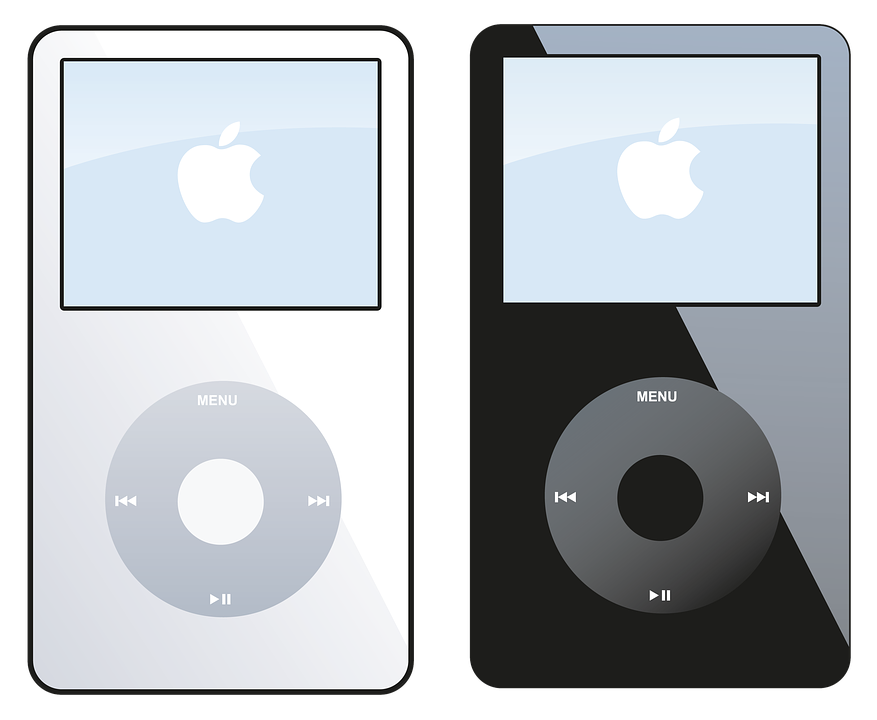
Later on, Apple wanted to offer devices to enjoy “hi-fi” sound with its players, as demonstrated by the iPod Hifi:
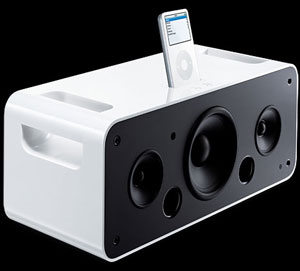
Here is a review video by an enthusiast who goes over the device:
Apple has had products accompanying some of its Macs, notably speakers developed by Harman Kardon, whose sound was quite impressive for the time.
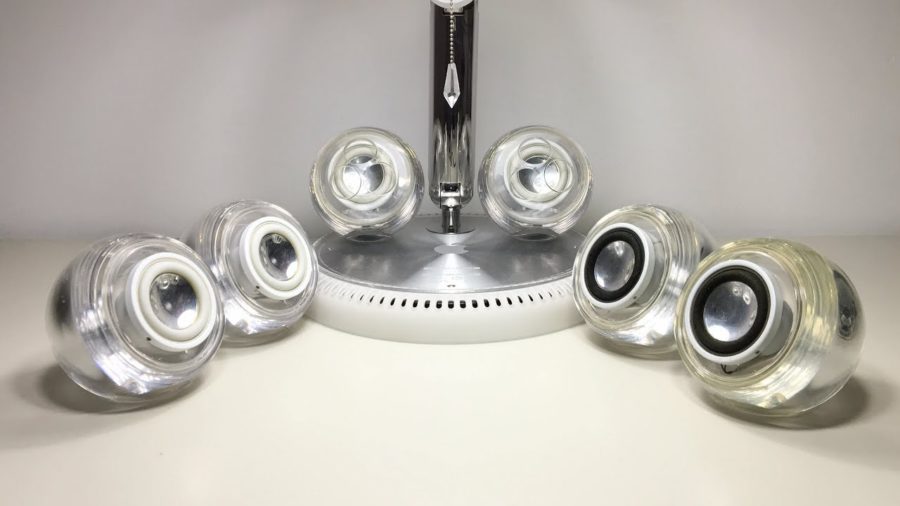
With the advent of mobility, Apple focused more on its products such as the iPhone and the iPad, which became the devices for mobility and for listening to music on the go. These new players now offer the catalogue via Apple Music, with libraries synchronised via the cloud. Of course, other players such as Spotify, Deezer or Qobuz also offer similar services. For those interested in high-quality audio (HiRes), I recommend reading one of our previous articles. The Apple Music service offers a catalogue of more than 70 million tracks, across all musical styles.
With the audio quality of tracks hardly exceeding MP3 quality, Apple nevertheless supports 2 codecs on its mobile devices: Apple Lossless and AAC. The range of codecs on MacOs can, however, be wider (software support making it possible to extend codecs to other playback formats).
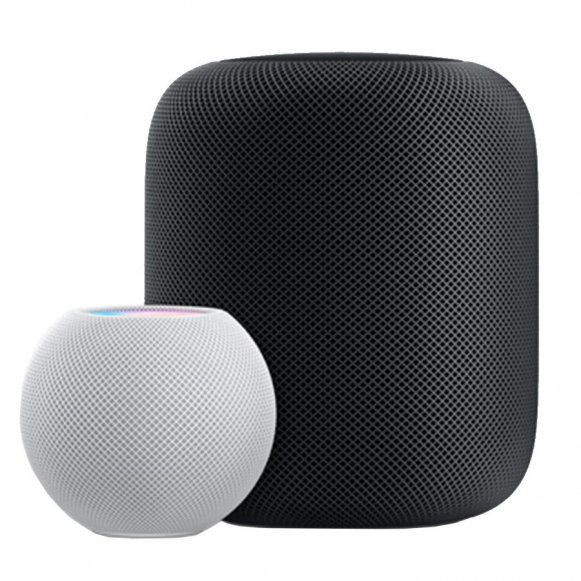
Apple has come up with various approaches for music lovers. First, with the acquisition of Beats, a brand created by DrDre, which was one of Apple’s first genuine forays into the world of headphones (I am deliberately not going to discuss the earphones supplied with iPhones, which, despite acceptable quality, are not really comparable to other products of the same type). Still with the idea of having its own line of Apple-branded products, Apple then released a smart speaker, the HomePod, followed recently by the HomePod Mini (so as to compete with Google in smart speakers). The HomePods use Siri to enable interactions with users, while offering very good sound reproduction.
Then, coming back to headphones, Apple bet on developing completely wireless earphones, starting with the AirPods (1st and 2nd generation). These can now be recharged via a storage case equipped with a Lightning connector, which also supports induction charging (Qi). An AirPods Pro version added spatial audio and noise cancellation, with quite astonishing quality for in-ear earphones.
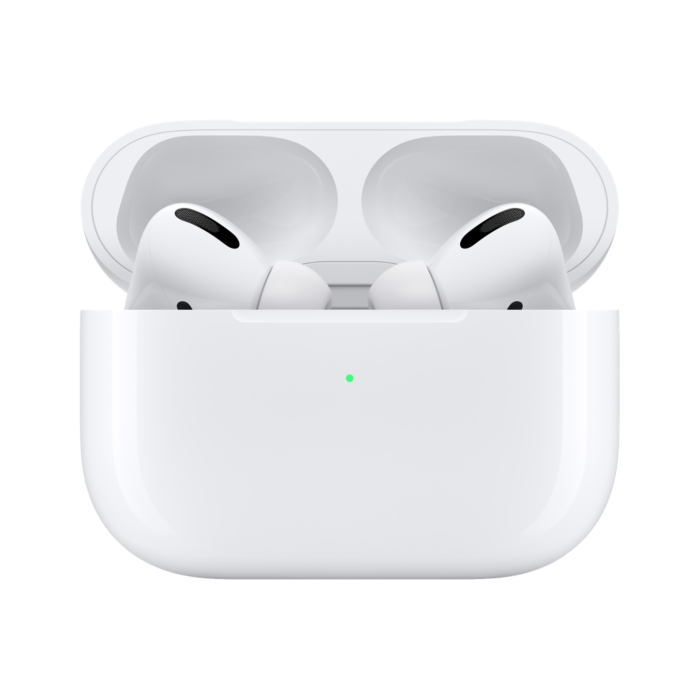
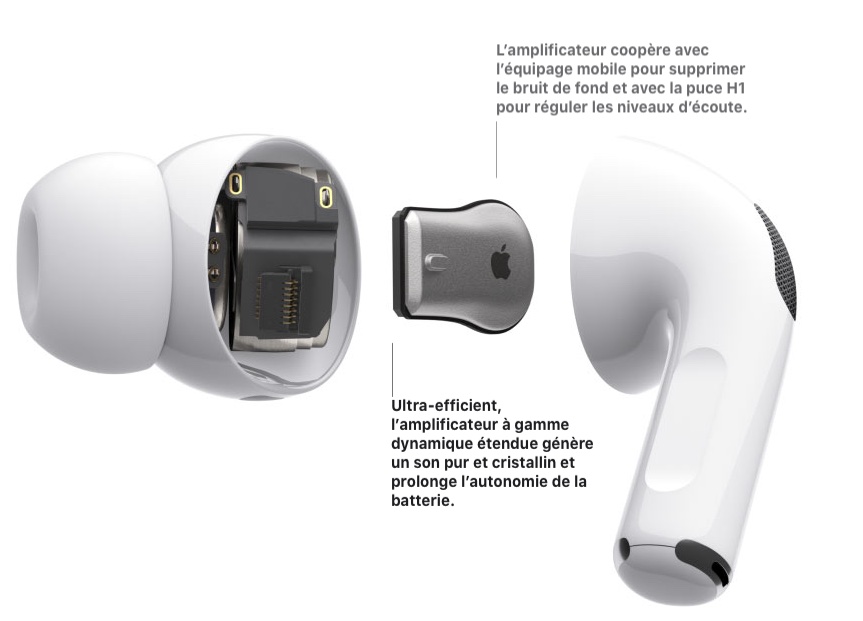
For its AirPods, Apple developed a chip dedicated to audio quality (H1), to regulate noise cancellation and sound amplification.
We now come to the latest of Apple’s headphones (at the time this article was published, we had been able to test it for 1 month), namely the AirPods Max.
Among the most interesting points are the noise cancellation and the Transparency mode (which is really impressive, as it clearly improves the perception of sound around you). This mode is also available on the AirPods Pro. Since their release, these headphones have often been compared with other players on the market, such as the Sony XM4/ or 3, or the Bose QC35. Having carried out comparisons between these 3 headphones myself, I can say that Apple can nevertheless boast of having the most effective noise cancellation system of all. The development of the audio drivers in these headphones makes them a little gem of audio reproduction, with a good overall sound balance. HiRes audio quality, however, goes to the Sony, which can be connected by wire to various sources. The AirPods Max can partly do this (by means of a Lightning to mini-jack accessory) but still needs to be powered by its batteries (maximum battery life of 20h for bluetooth listening). The only criticism of these headphones would be that, over long use, your ears can get quite hot, and the weight is also a drawback (despite good distribution thanks to its mesh fabric headband).
In short…That’s good sound.
Apple offers premium-quality products, with materials that are always very carefully selected and finishes that are always of very high quality. The online music services allow all users of the Apple ecosystem to always find what they need in terms of genres and styles, with specific suggestions and the creation of their own personal libraries. Greater openness to codecs in the iOS world would be very welcome, especially as the competition now offers bluetooth players that allow it, with bluetooth transmission possible, notably with the new standards.