Hi-fi music: sound on the go
· Michel Aguilera

In this article we are going to talk about music, but music with very high-quality sound! Some are content just to listen to music, others savour it. Forget your fundamentals and discover the world of Hi-Res music. Indeed, depending on the equipment you own, your listening experience can vary. Here is a short overview of how to enjoy hi-fi sound in all circumstances.
Sound… everywhere!

In previous articles, we had the opportunity to talk about certain devices, such as good-quality headphones or extraordinary equipment. This time, we are venturing onto the territory of seasoned audiophiles. Indeed, although some ears may be satisfied with tracks in MP3 quality (which corresponds, in the vast majority of cases, to what Apple Music, Spotify or Deezer offer), we are going to take a closer look at solutions that let you listen to music in specific formats, offering much better sound. This is what is called high-resolution sound. What is it? If we had to draw an analogy, Hi-Res sound would be comparable to 4K in the world of images (MP3 being the lowest quality on the video side). To properly enjoy Hi-Res sound reproduction, you cannot use basic equipment.
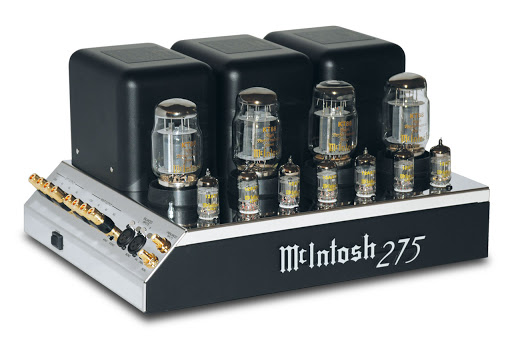
A hi-fi amplifier from the firm McIntosh, using a valve system.
We will first need to establish the listening context (suitable speakers & amplifiers) or private listening (headphones and specific playback systems). In addition, the audio sources must be recorded in Hi-Res, or even higher quality.
To get an idea of how audio curves behave depending on their recording quality, here is an illustration:
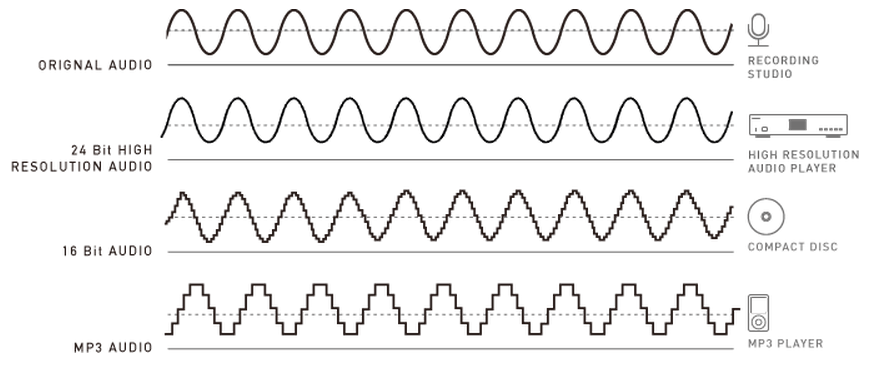
Some streaming services do offer so-called CD audio quality, but this still falls short of Hi-Res quality, as illustrated above. Among those offering Hi-Res streaming, we can mention Qobuz.
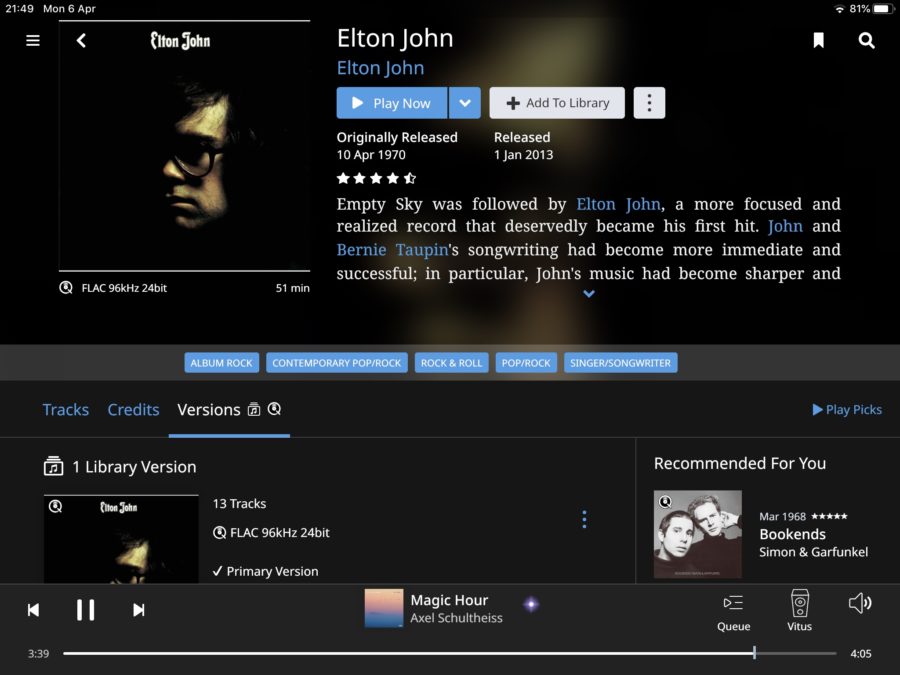
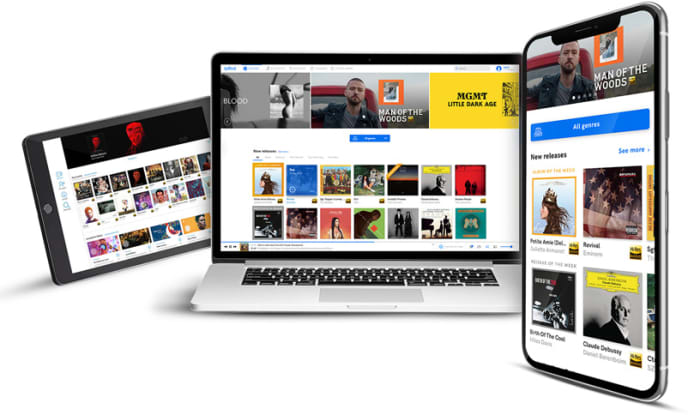
On a subscription basis, you can access a catalogue of more than 40 million tracks, most of them in Hi-Res quality. It can be used on PC, Mac or the usual mobile platforms.
There is also Tidal, which offers the same subscription principle for Hi-Res listening, with a few additional benefits. Of course, these services deliver sound of the appropriate quality.
It is also possible to set up your own streaming environment dedicated to hi-fi. One example is based on the Roon Labs solution.
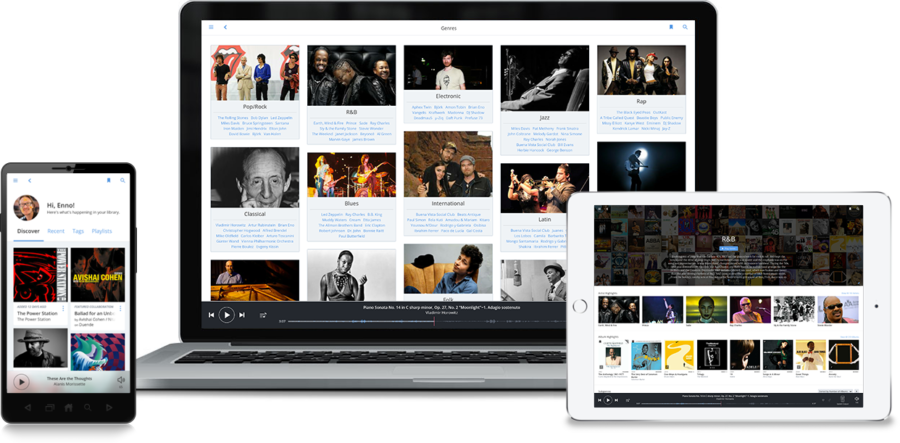
The system lets you stream the sound but also the lyrics of your music. Drawing on your online services or your local media, it can bring everything together as a main hub for your personalised listening. You can install Roon Core (the management point) on several types of devices (a PC, or even have an Endpoint on a Raspberry Pi!). You can also buy their Nucleus solution as a Roon Core server:
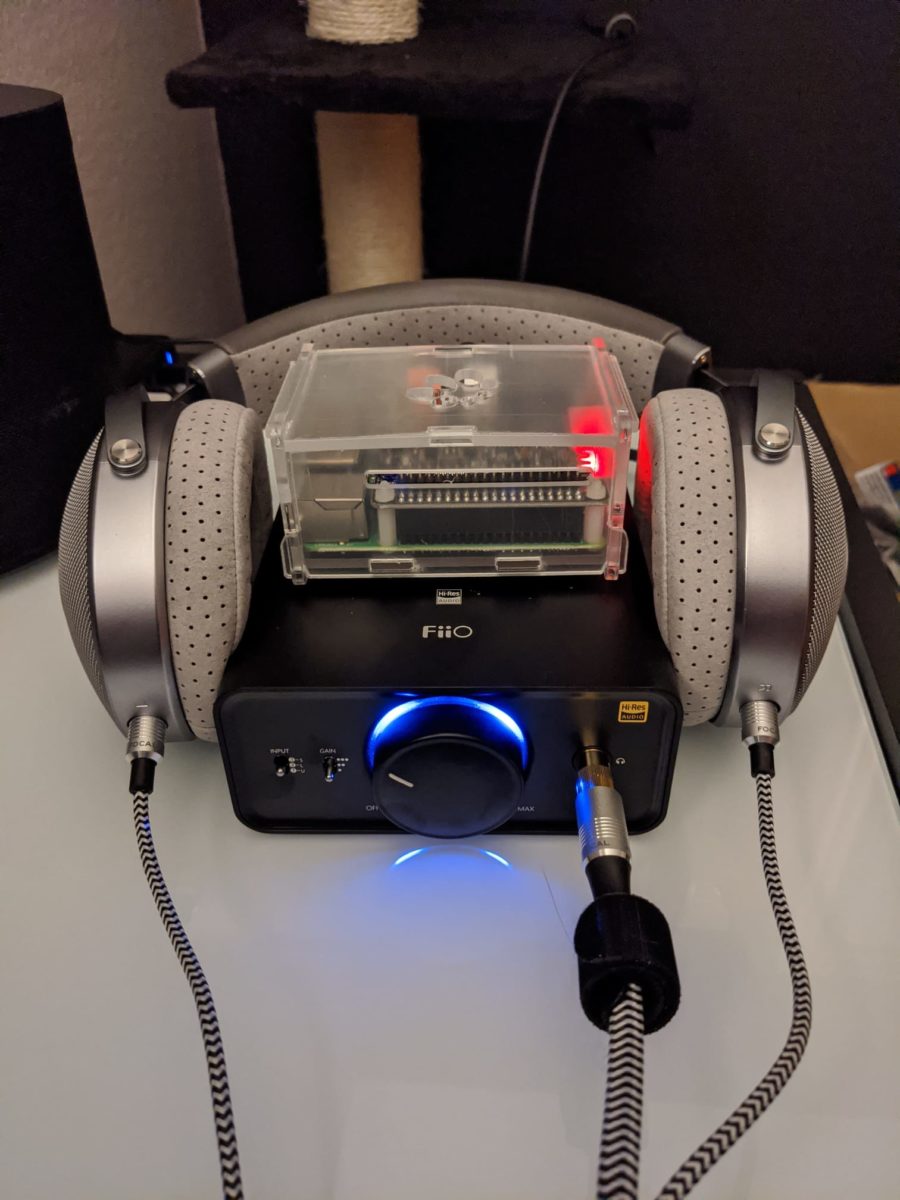
And here is an example of a listening point (Endpoint) based on a Raspberry Pi, a Fiio DAC and a (very) good pair of Focal headphones:
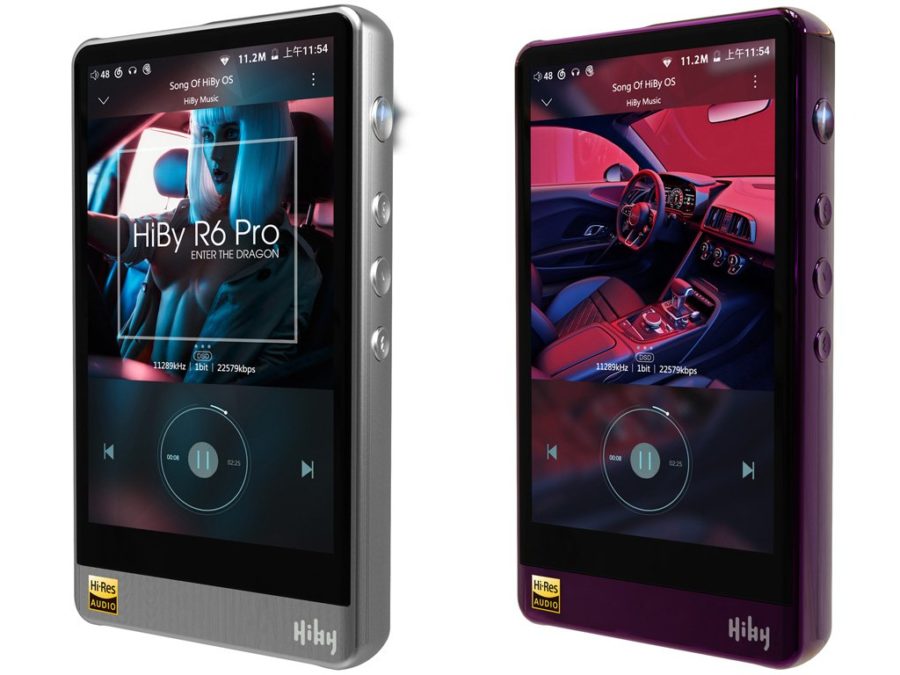
But how do you get the reproduction you can expect from this kind of recording? Most of the systems built into computers or our smartphones cannot handle the reproduction properly (or only with very rare brands). You can opt for a Hi-Res portable player, such as the HiBy R6 Pro:
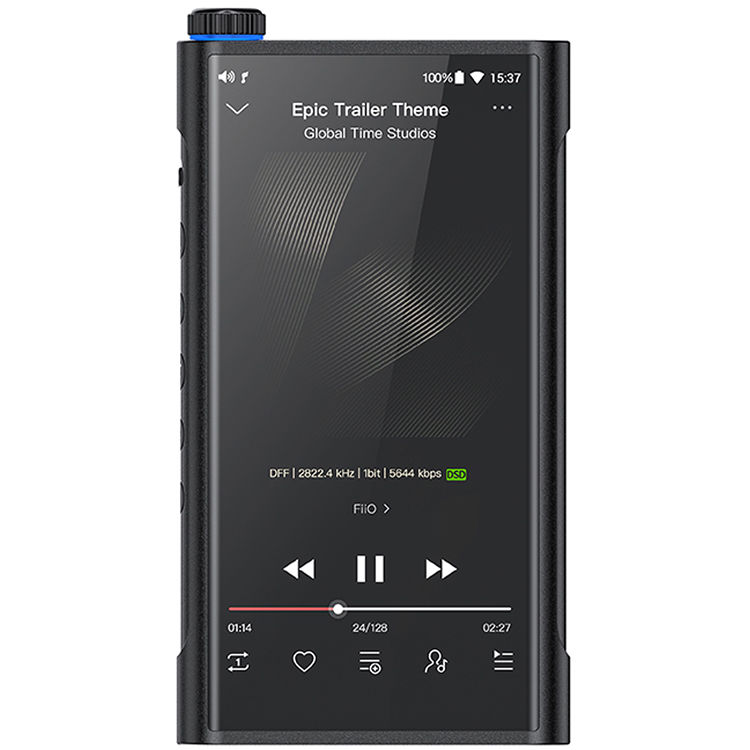
Or the Fiio M15, the Chinese flagship in the field of Hi-Res audio:
Would you like to use your smartphones or computers? That is possible, but with the addition of suitable playback equipment, which will replace your sound card with a device capable of letting you listen in the appropriate quality. For on-the-go use, there is, for example, the Fiio Q1 Mark II:
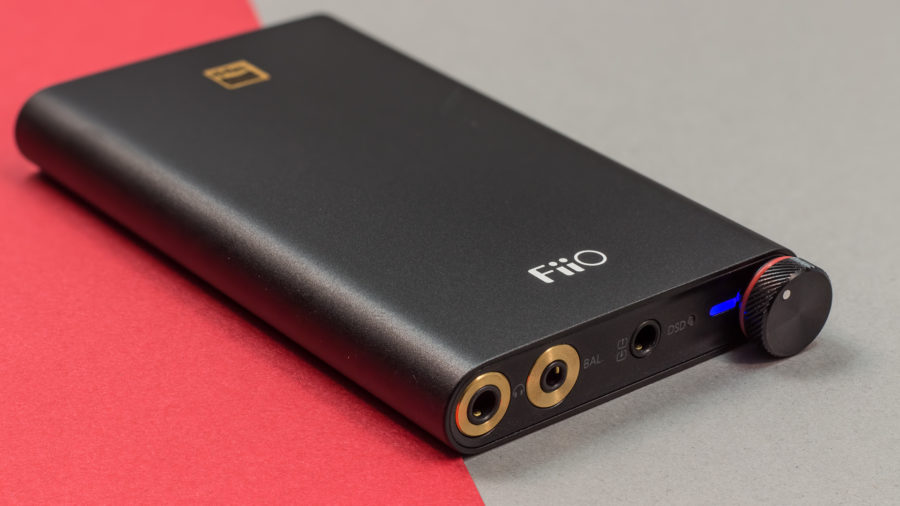
Big advantage: it can interface with your mobile equipment (tablets, smartphones or laptops) and give you genuinely superior-quality audio reproduction.
As you can see, the device is very small and can easily be carried around with your smartphone. Now, one essential accessory remains for listening worthy of the name: a pair of hi-fi headphones. Although I used this DAC with fairly good-quality headphones (Parrot’s Zik 3), they cannot be put in the hi-fi headphones category. And be careful: not all headphones are the same, and they do not all reproduce audio in the same way! Hi-fi headphones must be split into 2 categories: open-back and closed-back headphones.
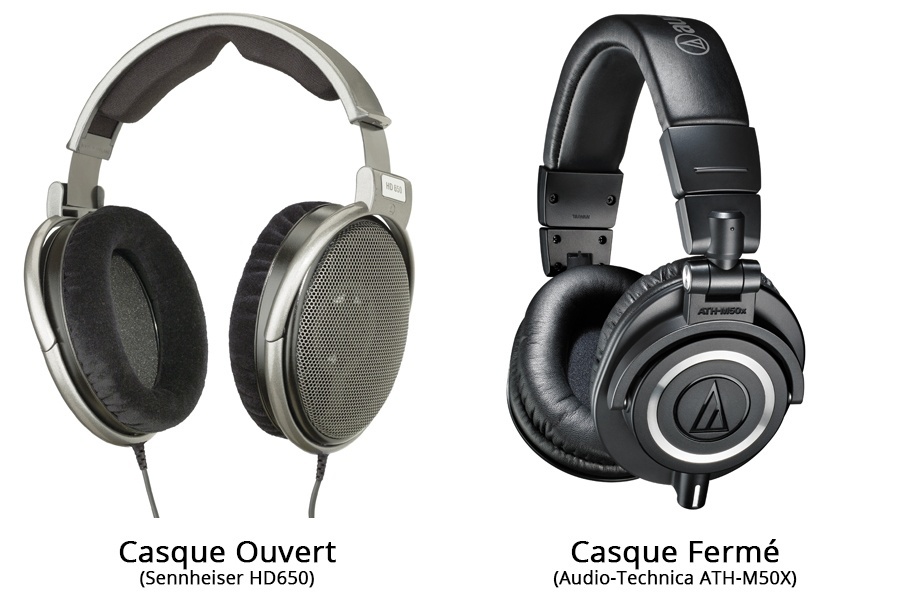
The first difference is visual, as you can see in the image above: open-back headphones have a grille on each ear cup that lets sound pass through, whereas closed-back headphones do not. What will the consequence be for the sound? Open-back headphones will give you a better “stereo image ”. In other words, when using them you will more easily “hear” the position of the different instruments in space. On the other hand, part of the sound will “leak” outside the headphones, and outside sounds will be audible (a person in another room, a passing car….). Conversely, there is very little sound leakage with closed-back headphones, and much more isolation from outside noise. This will let you stay immersed in the sound, often with the “bonus” (welcome or not) of more pronounced bass. This type of listening will also depend on the kind of music you enjoy listening to.
Audiophiles quite often recommend using open-back headphones for the richest listening in terms of “original” sound reproduction. Here are a few references of headphones for audiophiles (be warned, budgets can vary considerably!):
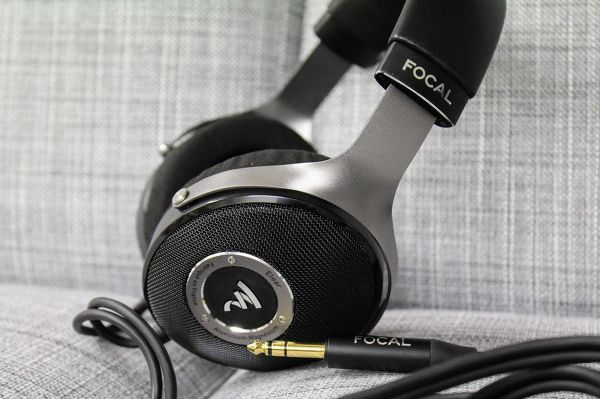
Focal One of the big names in hi-fi headphones (prices can range from 200 CHF… to more than 4000 CHF (depending on whether they are open-back or closed-back)
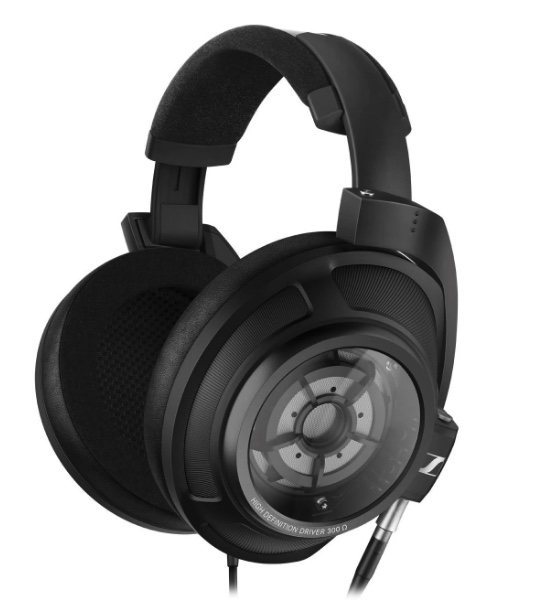
Sennheiser, well known for having one of the widest ranges of audio systems.
Sony also has headphones for hi-fi, notably in the MDR range, or more specifically the Z1R, the flagship headphones of the Japanese brand.
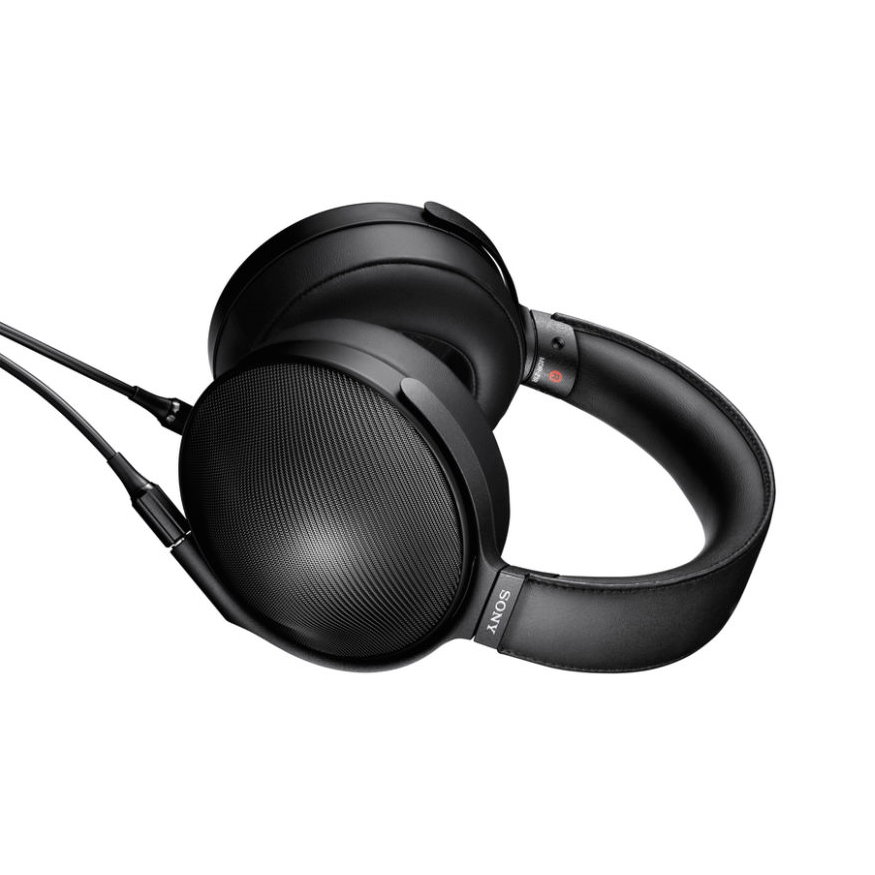
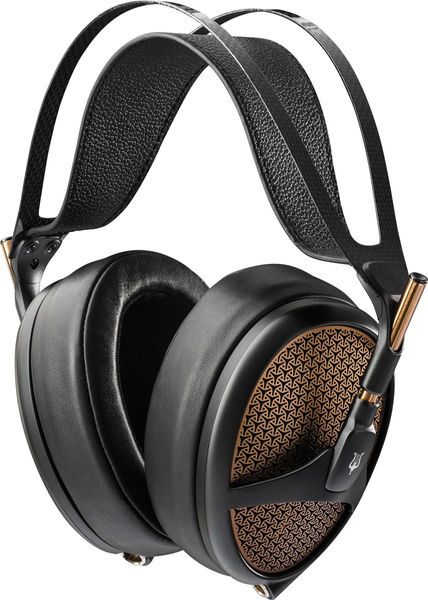
Finally, let us mention Meze Audio, which offers hi-fi headphones at (still) reasonable prices compared with other competitors. Its flagship is the Meze Empyrean.
In short…you have to listen carefully!
Just as not everyone can be an audiophile or music lover and appreciate the difference in listening (that requires a test in a real auditorium), it is nevertheless possible to hear a real qualitative difference when all the conditions are met (good source, good equipment, good conditions). To sometimes (re)discover music, you have to experience Hi-Res quality for yourself, by listening to your favourite track in what are, for you, “normal” or everyday conditions, and then repeating the same experience with everything you need in Hi-Res, to really notice what difference it makes.