VR headsets: an overview
· Michel Aguilera

For some time now, virtual reality has found its way into a wide variety of fields. The general public had little opportunity to get hold of this kind of headset, but that has changed, thanks to the power of smartphones and the immersive interfaces of video games. We are going to talk about the various types of VR headsets and what kind of experience they can offer. Diving into a virtual world!
Welcome… To the virtual world!
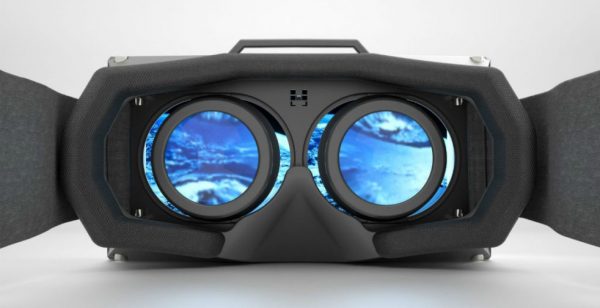
When talking about virtual environments, there is first of all the question of the types of headsets and the kind of interaction possible. There are headsets for smartphones (they handle the eyepieces, but have no real use with other systems such as PCs or consoles), semi-standalone headsets (they work, but need a computer or a console) and standalone systems (they include everything needed for complete immersion). Let’s start with systems for smartphones. There are some for every budget (from €20). As mentioned, their strong point is mainly based on the quality of the optics and the display of the smartphones that are slid into or attached inside the headsets.
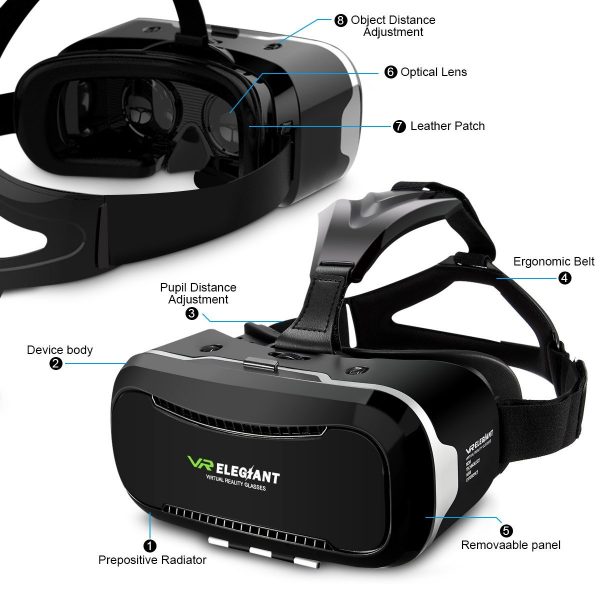
Most of these headsets have no audio system (you need headphones that can be worn over the visor). In addition, all the gyroscopic part relies on the smartphone’s internal hardware, an essential element for the immersive experience. In a development integrating various motion points, Google created Cardboard, an experience based on a cardboard assembly into which you slide your smartphone. This development programme was first presented to the general public at Google I/O 2014. Cardboard is a tool widely used by brands to promote their products and services in an innovative way. 360-degree videos on YouTube make precise use of gyroscopic technologies to give an even more intense immersive effect. The various cheap headsets, made of plastic nowadays, are based on the very same principle as Cardboard. Several programs for mobile platforms have emerged following this idea.

Available on iOS & Android, this app offers videos in Cardboard mode and exploits the gyroscopic effect to give the sensation of immersion. You can find more information on the official website.
Want to watch videos in Cardboard mode without using apps? A quick trip to YouTube and you will be spoilt for choice! Search with the keyword “Cardboard” and you will find several channels. We have picked one of them here.
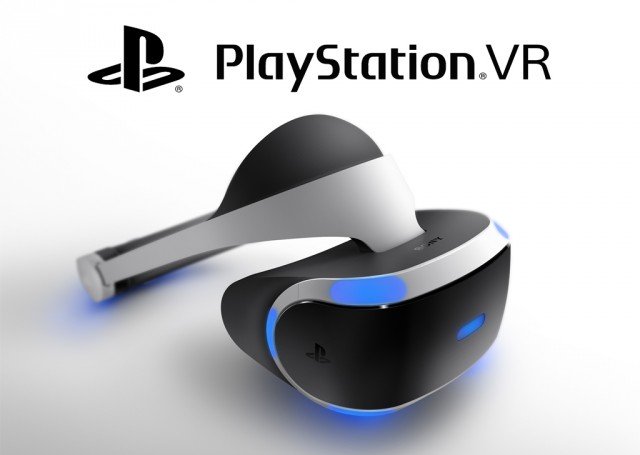
In the field of console gaming, Sony has come up with a VR headset to be paired with a PS4, the PS VR. Here, the setup is more laborious than with a simple smartphone, but you gain in graphics rendering power.
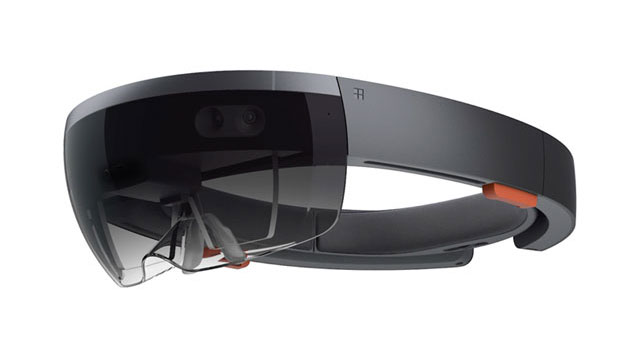
Virtual – and augmented – reality has been feeling its way quite a bit in recent years. The Google Glass episode cast a chill over the industry. But today many fields are starting to use virtual reality. Microsoft, for its part, has decided to bet on augmented reality, with a very clever concept: HoloLens.
Introductory video:
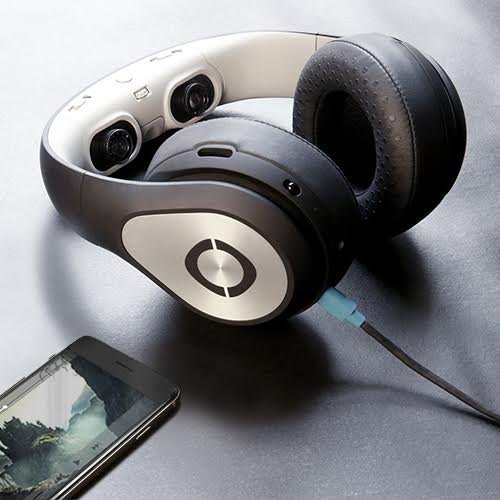
As you can see, the immersive experience is very advanced. But there are already some very interesting competitors. Such is the case of the Glyph, a headset that is a hybrid between a system for smartphones… And hi-fi headphones! A descriptive video:
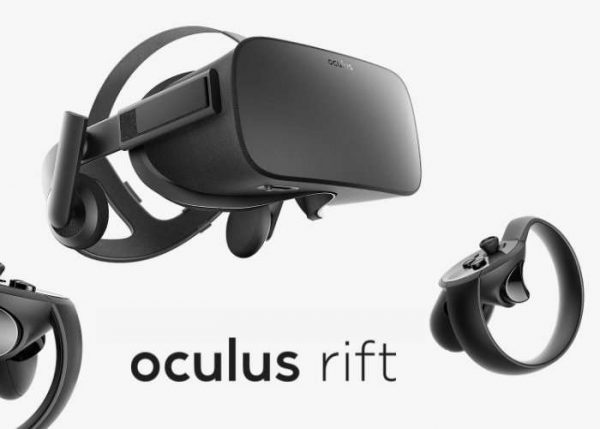
We cannot overlook Oculus, one of the major players in the creation of VR headsets. The Rift, its first VR headset and a powerhouse, was the product that launched the company. Today, they are back in the spotlight with a standalone headset, the Go.
Promotional video for the Rift:
Video on the Oculus Go:
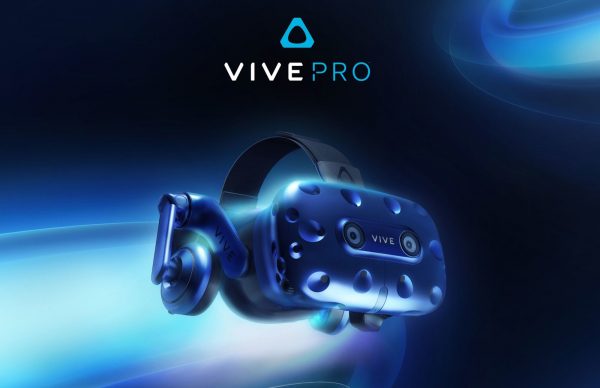
Oculus has a competitor: the HTC Vive Pro. In terms of technology, it works along the same lines, with a higher level of rendering and optics.
In short… Should you take the plunge?
Well, for glasses wearers like me, it can sometimes be difficult to enjoy this kind of headset. Some manufacturers take this into account with adaptations, but for most of them, you need add-ons to enjoy virtual reality… With your own glasses! Apart from this minor detail, it is still, for the vast majority, geared towards entertainment. Augmented reality will have a greater impact on the broader use of immersive technologies, whether in the medical sector, in research or quite simply… to improve everyone’s everyday reality! A good example is a Swiss company: Darix
This company offers to professionalise the use of augmented reality. It relies on a manufacturer, Vizir. A short video, produced by EPFL: