Smart devices & lifestyleHealth & wearables
Connected health: the latest innovations
· Michel Aguilera

On several occasions, we have been able to see which connected products provide information on some of the health values we wanted to know about. We have already written a few articles on this subject in the past. If we are coming back to it today, it is to talk about the fierce competition between certain companies, with more or less pronounced support from smartphone manufacturers such as Apple. A look back at a delicate subject.
And my health… Ever heard of it?
Apple has made available an SDK called HealthKit. It allows manufacturers and developers to feed information from their products directly into iOS’s health management system.
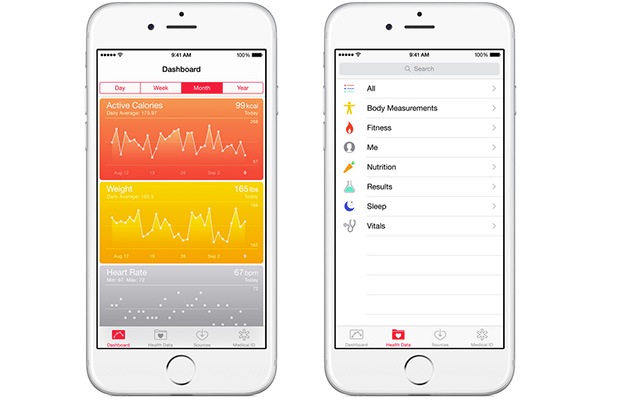
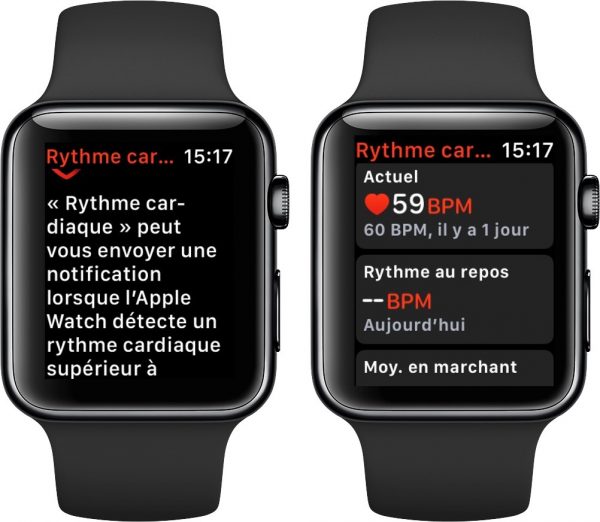
Thanks to this system, users of devices such as the iPhone can track, at any moment, how their state of health is progressing, the physical effort they have made or a change in their metabolism. One example is heart monitoring via the Apple Watch, which can warn of the risk of arrhythmia.
This monitoring solution has of course been built into the Apple Watch, for tracking movement, heart rate and sleep.
One of the most direct competitors is Nokia (following its acquisition of Withings and its health-oriented product line). Several of its products allow very precise monitoring of your state of health (blood pressure, sleep, physical activity, etc.).
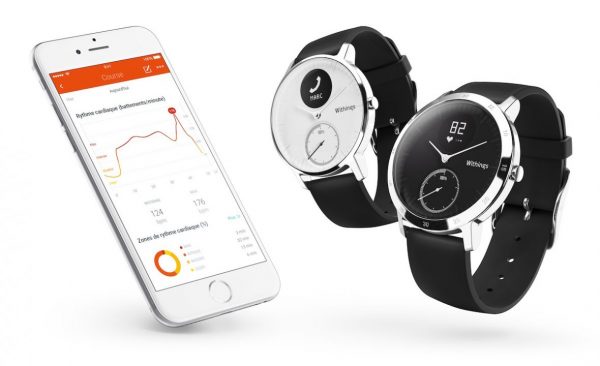
Like the other watches in the range, the Steel HR has a main dial showing the time and a small hand – now located at the bottom of the watch face – which indicates the percentage of activity achieved during the day compared with the set goal. This activity goal (for example 10,000 steps) is set in the dedicated free app “Health Mate” (available on iOS and Android) and lets users see their progress throughout the day at a glance. The Steel HR is powered by a rechargeable battery that can last up to 25 days, a record battery life for an activity tracker that includes heart-rate measurement. After about 25 days of heart-rate tracking, the Steel HR automatically switches to power-saving mode, giving the user up to 20 extra days of battery. In this power-saving mode, the Steel HR tracks the user’s basic activity, including walking and swimming (water-resistant to a depth of 50 metres).
A short presentation video, with unboxing and pairing with a smartphone:
Along the same lines, Nokia has also given a makeover to the BPM+ blood pressure monitor cuff, which lets you track your blood pressure (in addition to heart monitoring).
Demo video:
And to round things off, Nokia’s thermometer, also from the list of products originally developed by Withings:
All these products work with HealthKit and feed their information into this consolidated dashboard. There is some overlap with the Apple Watch’s sensors, and we can bet that Apple will expand the capabilities of its smartwatch in the health field in the future.
One of the sectors in which Apple has also invested is diabetes prevention. For those living with type 2 diabetes, several manufacturers have offered devices that can also work with HealthKit. One example is the system offered by Ascensia, the Contour Next One.
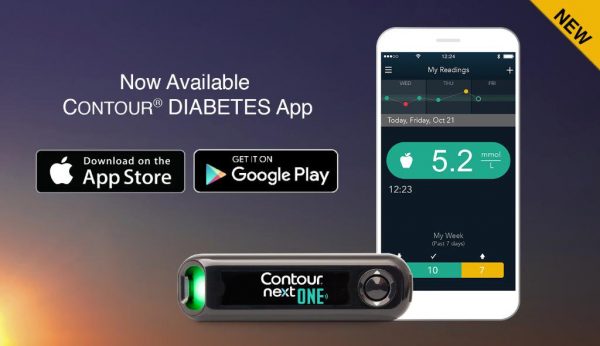
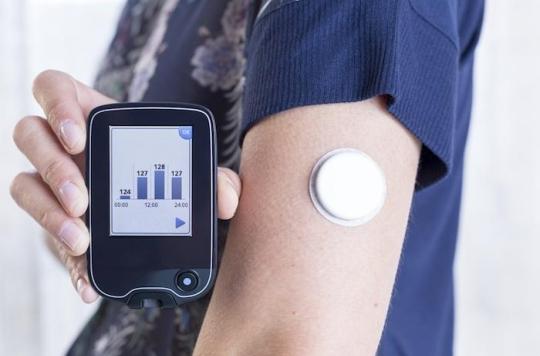
As you can see, things are constantly evolving, although the system still requires a blood sample (a single drop is enough). There are now also patches that can be placed on the forearm and scanned via NFC to transmit blood glucose information in real time.
In short, is connected health a good thing?
Yes, we can say that it gives greater visibility on our state of health and on the follow-up we need to take into account every day. It is not easy for everyone to look after their health, especially when they have a particular condition (high blood pressure, diabetes, etc.). Tools that connect everything together with a genuine daily analysis undoubtedly help patients who need special attention.
But as with any data sharing, concern about privacy and the use of this data worries the vast majority of users. It is part of a healthier approach with one’s doctor, and of a precision that only laboratory studies – on several people and several cases, sampled over years – can provide, making it possible to offer suitable solutions and treatments. Data sharing is above all for this purpose. It is up to us to always make sure of that.